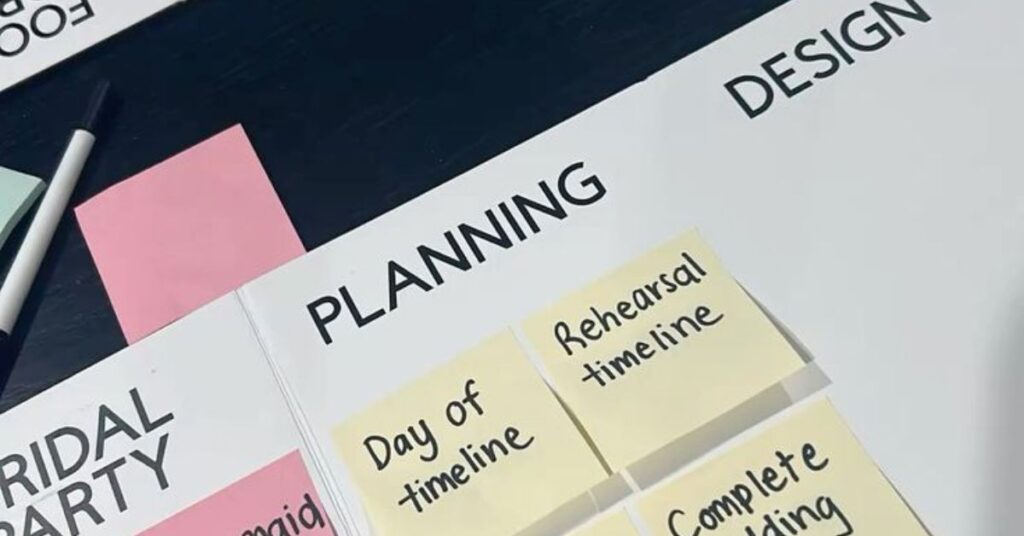
No matter how carefully an event is planned, managing last-minute changes is almost inevitable. Even the most experienced event planners face unexpected challenges during an event. A speaker might cancel at the last minute, the weather might suddenly change, or a vendor might face delays in reaching the venue.
These situations can feel stressful, especially when guests are already arriving, and everything needs to run smoothly. However, the difference between an average event and a successful one often depends on how effectively the team handles these unexpected changes.
At UrbanVenue, we believe that great event management is not only about detailed planning but also about being flexible and prepared to adapt quickly. When handled professionally, last-minute changes can be managed smoothly without affecting the guest experience.
In this blog, we will explore practical and effective strategies to manage last-minute event changes while ensuring that the event remains organized, professional, and enjoyable for everyone involved.
Why Last-Minute Event Changes Happen?
Before learning how to manage unexpected situations, it is important to understand why these changes happen in the first place. Events involve multiple moving parts, such as vendors, guests, technology, venues, and logistics. Because so many elements are involved, there is always a possibility that something might not go exactly as planned.
Some of the most common reasons for last-minute event changes include:
- Vendor delays or cancellations
- Sudden weather changes during outdoor events
- Technical or equipment failures
- Guest or speaker cancellations
- Venue-related issues
- Schedule delays or overruns
While these situations are often beyond the control of the event organizer, having the right strategy can help minimize disruption and keep the event running smoothly.
1. Always Have a Backup Plan
One of the most important rules of event management is always preparing for the unexpected. Professional event planners rarely rely on a single plan. Instead, they create contingency plans for critical elements of the event.
Some important backup plans include:
- Alternative vendors in case the original vendor cannot deliver
- Indoor venue options for outdoor events
- Extra technical equipment, such as microphones or projectors
- Backup speakers or performers
For example, if you are planning an outdoor wedding or corporate event, having an indoor backup venue or covered area can save the event if it suddenly starts raining. Preparing alternative solutions in advance allows the team to react quickly without confusion.
2. Stay Calm and Focused
When something unexpected happens during an event, the first reaction is often stress or panic. However, staying calm is one of the most important skills for an event manager.
A calm and composed approach helps you:
- Evaluate the situation clearly
- Make quick and effective decisions
- Communicate better with your team and vendors
Guests rarely notice small problems happening behind the scenes. What matters most is that the event team handles the situation professionally and confidently.
3. Maintain Strong Vendor Relationships
Reliable vendors are a crucial part of successful event management. Building strong relationships with trusted vendors can make it much easier to handle last-minute challenges.
Experienced vendors often can:
- Provide quick solutions when problems arise
- Arrange backup equipment if needed
- Adjust their services according to unexpected changes
At UrbanVenue, we work closely with trusted and experienced vendors, which allows us to respond quickly to unexpected situations and keep the event running smoothly.

4. Communicate Clearly with Your Team
During last-minute changes, clear communication is essential. Every team member should know exactly what is happening and what actions need to be taken.
Make sure that:
- The entire team is informed about the situation
- New responsibilities are assigned if needed
- Everyone understands the updated plan or schedule
Using communication tools such as walkie-talkies, event management apps, or group messaging platforms can help the team stay connected and coordinate efficiently during the event.

5. Focus on the Guest Experience
No matter what challenges arise behind the scenes, the guest experience should always remain the top priority. Guests attend events to enjoy the experience, and most of them will not notice minor delays or adjustments if they are managed well.
If there is a delay in the event schedule, you can:
- Organize a short networking session
- Extend refreshment or coffee breaks
- Introduce an interactive activity for guests
These small adjustments help keep guests engaged and ensure that the event still feels enjoyable and well-organized.
6. Keep an Emergency Event Kit Ready
Many professional event planners carry an emergency event kit to handle unexpected problems quickly. This kit contains small but essential items that can solve many last-minute issues.
A typical event emergency kit may include:
- Extension cords and power strips
- Tape, scissors, and basic tools
- Extra phone chargers
- Printed schedules and contact lists
- First aid supplies
- Backup microphones or batteries
Although these items may seem simple, they can be extremely helpful when dealing with unexpected situations during an event.
7. Use Technology to Manage Changes Quickly
Technology plays a significant role in modern event management. Many digital tools allow organizers to adapt quickly and communicate updates efficiently.
Some useful tools include:
- Event management software for schedule updates
- Mobile apps for team coordination
- Digital notifications for guests
- Live event dashboards to track progress
Using technology helps ensure that everyone stays informed about any changes in real time, reducing confusion and improving coordination.
8. Review and Learn After the Event
Every event provides valuable learning opportunities. After the event is completed, it is important to review what happened and identify areas for improvement.
You can ask questions such as:
- What challenges occurred during the event?
- How effectively were the problems handled?
- What can be improved for future events?
By analyzing these factors, event planners can develop better strategies and become more prepared for future events.
Final Thoughts
Last-minute changes are a natural part of event planning. Even with the most detailed planning, unexpected challenges can arise. However, preparation, flexibility, and effective communication can help event planners handle these situations successfully.
By creating contingency plans, staying calm under pressure, maintaining strong vendor relationships, and focusing on the guest experience, event managers can ensure the event runs smoothly despite unexpected changes.
At UrbanVenue, we specialize in planning and managing events with precision and professionalism. Our team is always prepared to handle unexpected challenges and deliver seamless experiences for our clients and their guests.
Need expert support for your next event?
UrbanVenue offers professional event planning services for corporate events, weddings, private celebrations, and large-scale gatherings, ensuring every event is memorable, well-organized, and stress-free.